

Stove With Heater
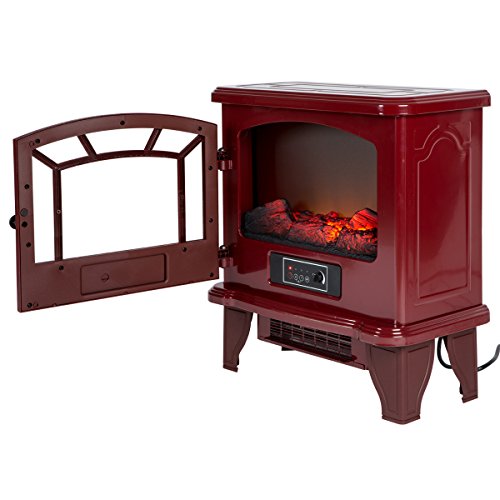
Stove with heater deal uncomplicated setup (compared to integrated fireplaces) and supply a versatile and energy-efficient option. They can heat an entire house, or simply a single room.
Try to find designs with adjustable flame visuals that let you choose between an intense and vibrant blaze or a suppressed romantic radiance. They likewise have gotten too hot protection to safeguard the stove and your home.
Enclosed Stoves
Enclosed stoves use a warm, cosy fire in your home and provide a mesmerising phenomenon of radiant flames. They can also enhance the resale value of your residential or commercial property and help you conserve on heating costs compared to open fires. Stoves are less untidy than conventional open fires and require far less cleansing hours to keep them. They likewise produce substantially more heat and can be managed more precisely.
They can be utilized to burn wood, anthracite coal or a mix of both. They are popular options for people wishing to be independent from energy suppliers and to reduce the cost of electrical power, gas or oil. Wood burning stoves are likewise a green choice for those who have access to an abundance of timber and wish to reduce the requirement for logging.
Stoves allow fuel to be combusted at a heat and create more heat, which in turn produces less smoke. This decreases the amount of toxins and particulate matter in the exhaust and prevents creosote deposits in flues and chimneys. Modern multi fuel stoves can achieve a combustion effectiveness score of approximately 80%, which is considerably greater than the 30% that common open fires accomplish.
Numerous stoves are made in a range of designs, from sophisticated cast iron to minimalist steel models. It is essential to choose a closed stove with a heat output suitable for the area in which it will be set up. Clearances of 36 inches or more need to be preserved in between the stove and flammable walls. Brick or stone are not ideal wall protectors as they are great conductors of heat. A flammable floor must be safeguarded by covering it with an underlay such as a mineral wool insulation, cork or rubber.
There is a risk of house fires from inadequately fitted or run stoves and from negligent handling of logs and other flammable materials. However, this risk is significantly minimized if the stove and fireplace are located properly, the correct clearances are observed and the fire and chimney are well-maintained. Regular examinations of the chimney, cleaning of the grate and hearth and replacement of old flammable parts can all assist to minimise the threats related to using a stove with heater.
Advanced Combustion Stoves
Stoves that burn wood develop a comfortable environment in homes and businesses, adding heat during winter. Modern wood stoves also minimize heating costs and ecological effect through sophisticated combustion innovation. In truth, a current research study by NC State engineering trainees compared main and photochemically aged particle emissions from traditional stoves with enhanced cookstoves and discovered that the latter produce substantially fewer contaminants.
This is because improved stoves feature features like secondary combustion chambers and catalytic converters that optimize fuel effectiveness and minimize emissions. In addition, they are created to keep high temperature levels for complete combustion, which leads to less wasted energy. They also require less wood, more minimizing the ecological footprint. The research study was published in the journal Environmental Science & & Technology.
In order to enhance heating efficiency, you ought to guarantee your stove is appropriately sized and preserved. This means not overfilling the firebox, as this can lead to incomplete combustion and increased emission levels. You must also frequently clean the chimney to get rid of buildup of soot and creosote, which can inhibit air flow. Finally, you must only utilize experienced wood to make the most of the quantity of heat generated by the combustion procedure.
The most popular wood stoves today are EPA-certified, guaranteeing that they fulfill rigorous environmental standards. This consists of limiting carbon monoxide and particle emissions, which can cause respiratory issues in some individuals. Furthermore, the finest wood stoves today are made from resilient products that can stand up to the test of time and frequent use.
Stoves with innovative combustion technology likewise decrease the quantity of smoke produced by burning wood. This is achieved through secondary combustion, where gases from the burning wood are re-burned to additional boost heat output and reduce emissions. They likewise feature integrated oxygen sensing units that assist manage the fire to maximize performance.
To get the most from your wood stove, you should follow the maker's guidelines for proper operation and upkeep. This will consist of sizing the home appliance correctly, using skilled wood and keeping the chimney clear of soot and creosote. It is likewise a good idea to have your chimney checked and cleaned up annually by a certified professional.
Wood Stoves
Wood stoves are popular amongst those who choose to heat with renewable, nonpolluting biomass. These self-contained units keep spaces warm even when power blackouts happen, which can be a big advantage in areas that have frequent power disturbances during the winter. Wood stoves also function as a cook top, which can make them versatile home heating and cooking options.
When picking a wood stove, choose one that can provide the amount of Btu (British thermal units) needed to adequately heat the space. An excellent guideline is 20 Btu per square foot of room size. You can use an online Btu calculator to dial in the precise amount of heat required for a particular space. You'll also need sufficient space to accommodate a stack of fire wood that's a minimum of 28 cubic feet. That's equal to a neatly stacked, 4-foot-high cord of wood. A wood stove can burn several cables throughout a heating season, depending upon use and the climate.
A lot of modern wood stoves are accredited by the Environmental Protection Agency, or EPA. Getting an EPA-certified stove assists guarantee that your wood-burning system will not add to air contamination or other toxins in your local community. Try to find a EPA label on the back of any model you think about. This will show when it was produced and which set of emissions requirements it fulfills.
Older, less-efficient wood stoves have been connected to a greater threat of respiratory illnesses. Those older designs might also emit extreme quantities of creosote, which can construct up on the chimney and minimize your stove's performance. However, if you properly keep and operate your EPA-certified wood stove, creosote accumulation will be very little.
Some wood stoves have integrated air supply controllers that manage the flow of fresh air into the firebox. Other designs have manual dampers that you can open or close to increase or decrease air circulation. It's essential to avoid opening the stove door too regularly, since doing so develops a vortex that draws smoke and unburned unstable compounds into the room. You ought to likewise avoid burning paraffin firelighter logs, since these contain petroleum and add to worldwide warming.
Pellet Stoves
A pellet stove utilizes a compressed, renewable wood fuel to produce a constant flame. The fire burns the pellets and releases hot air, which can be flowed through ducting or blown straight into the room with fans. These systems use less wood than a conventional wood burning fireplace and generate less carbon dioxide, that makes them a green heating option. They're also highly energy effective and can operate with very little upkeep.
You fill the pellets into a storage hopper at the top of the stove, and an electric auger delivers them into the combustion chamber. Then, sensors and thermostats keep an eye on the heat levels to tell the auger when more pellets are required. You can buy bulk pellets to decrease journeys to the store, or you can set up a regular delivery schedule from a regional supplier.
Pellet stoves have a much greater listing efficiency than wood burners, at around 80% or more. This is because of the fact that they burn fuel more totally, and you don't have to continuously rake away ash. The combustion procedure also produces far less creosote, which positions a fire hazard.
Depending on the design you select, you can get a wood-like look or a more modern style that's nearly indistinguishable from a gas stove. Unlike other wood stoves, pellet stoves don't need a chimney, but you do need a venting system to safely evacuate the flue gases.
These devices often include advanced lighting controls and automated pellet feeding systems that allow you to run the unit with very little effort. Some even have smart home abilities for remote operation and programmable settings.
Fireplaces And Stove can be utilized in an area that can't be connected to your home's HVAC system, like an incomplete basement or a three-season room. It's an excellent alternative to a portable lp heater for these areas, too. Simply be sure to utilize only high-quality pellets, which are sourced from agricultural waste and other recycled materials. Poor-quality pellets can harm your stove and produce excessive smoke. Invest in a quality brand, such as among the two brands Fleishmann sells in-store (Piazzetta and Ravelli), and you can expect a high level of performance.